
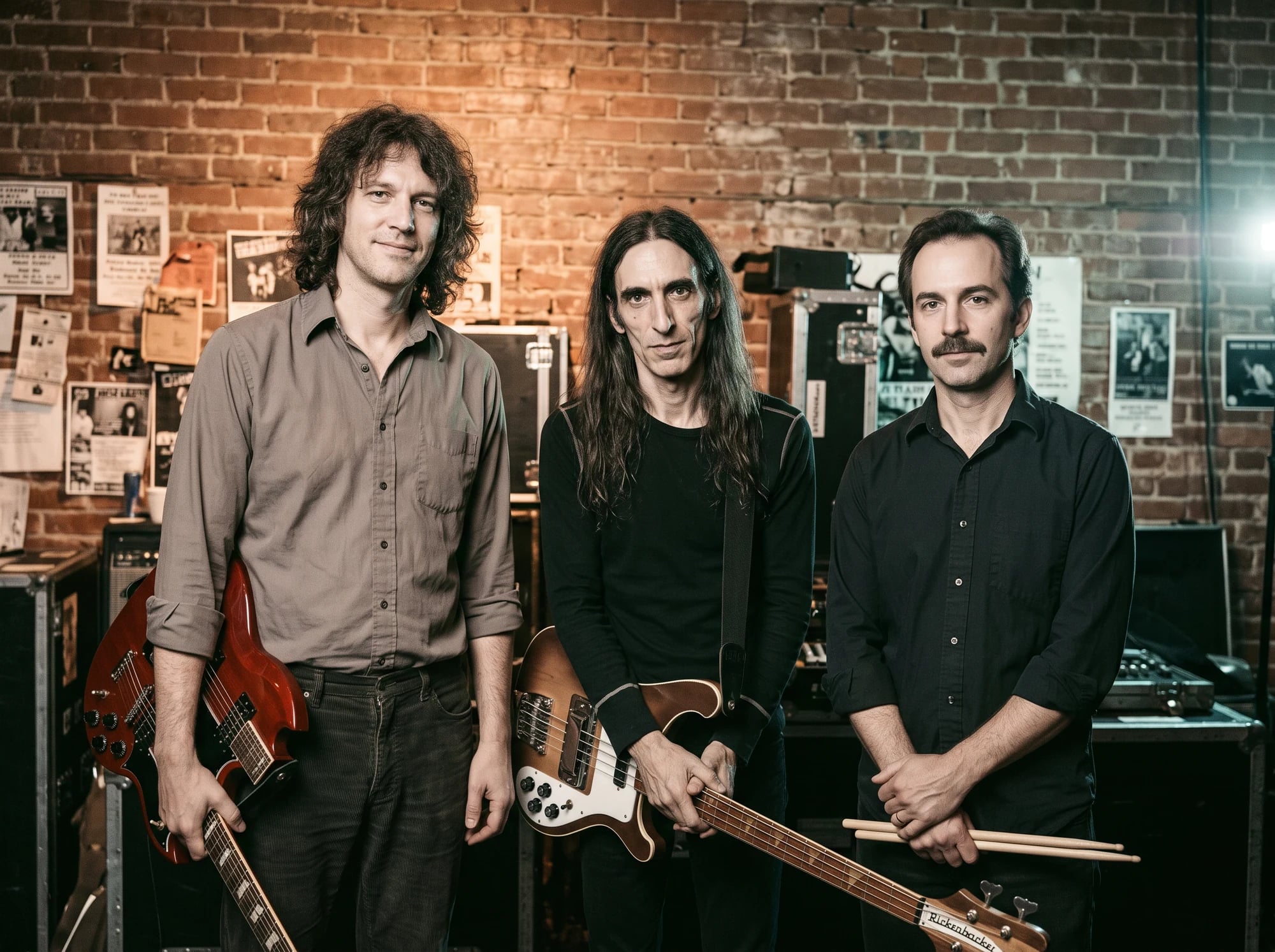
The Origin
“A forest agreeing to grow the same height is not peace. It's just a lower ceiling.”
— Emerson Roth, from the liner notes he refused to gloss
The Trees Have Unionized formed in Missoula, Montana, in 1978, when three musicians found they shared one taste: the impossibly ambitious. On the third night, drummer Emerson Roth set roughly forty handwritten pages on the table and said it was an album — a concept record, in three parts, about a forest that votes to unionize. Curtis Reave read it twice. Ambrose Teller read it once and said he could hear it. They spent the better part of a decade on it, and never explained what it was about.
Biography
The Forty Pages
They shared exactly one taste: the impossibly ambitious. Curtis Reave could sing higher than seemed advisable and play bass and synth pedals while he did it. Ambrose Teller played guitar in tunings he still will not name. Emerson Roth played drums and, it turned out, wrote every word.
On the third night, Roth set roughly forty handwritten pages on the table and said it was an album — a concept record, in three parts, about a forest that votes to unionize. Reave read it twice. Teller read it once and said he could already hear it. They spent the better part of a decade on the saga. In no interview did any of them ever explain what it was about. "Saying it," Roth offered once, "would make it smaller."
The Wild Wood
The first record, *The Wild Wood* (1980), is the forest as it was — every tree reaching, at its own pace, for its own patch of light. Uneven. Wild. Alive. The suites sprawl; the light is never shared equally; and the band does not present this as a problem to be solved. A tree grows as tall as it can reach, and the ones beside it are neither its debt nor its property.
Critics divided in a way the band found instructive. Some called it a landmark of the form. Others called it "forty minutes about trees." Roth considered both reviews correct, and said so.
Equal Light
*Equal Light* (1982) is the center of the saga and the reason people still argue about the band. The forest convenes. It votes. The canopy will be shared, the light made equal, no tree left in another's shadow. And — the band insisted on this — the warmth is real. The belonging is real. The record lingers, generously, in the comfort of it before it turns.
Then it turns. Light made equal is light leveled, and a forest is made equal the only way a forest can be: by hatchet, axe, and saw. The tallest are brought down to the shortest, and the cost is paid, quietly, by the understory that had been promised the most. The band scores the leveling not as villainy but as procedure — a vote, minuted and carried. No one in the songs is evil. That is what makes it frightening.
One Tree Standing
The saga closes with *One Tree Standing* (1985). Most of the record is aftermath — the managed wood, even and quiet and dim. But there is a grove, remote, that kept governing itself, too far from the Canopy Authority to be leveled; and there is one tree that simply would not come down. The final movement is not a battle. It is a tree, still reaching, saying the smallest and largest thing in the whole three-album work: *I can.*
The band dissolved in 1993, having made its argument without once making it aloud. Ask any of them what the forest meant and you get a shrug, a book turned face-down, or Roth's standing answer — that he never says, on principle. The casual listener hears a very serious album about trees. Everyone else hears the other thing. The band would like it noted that they never said a word.
The Members
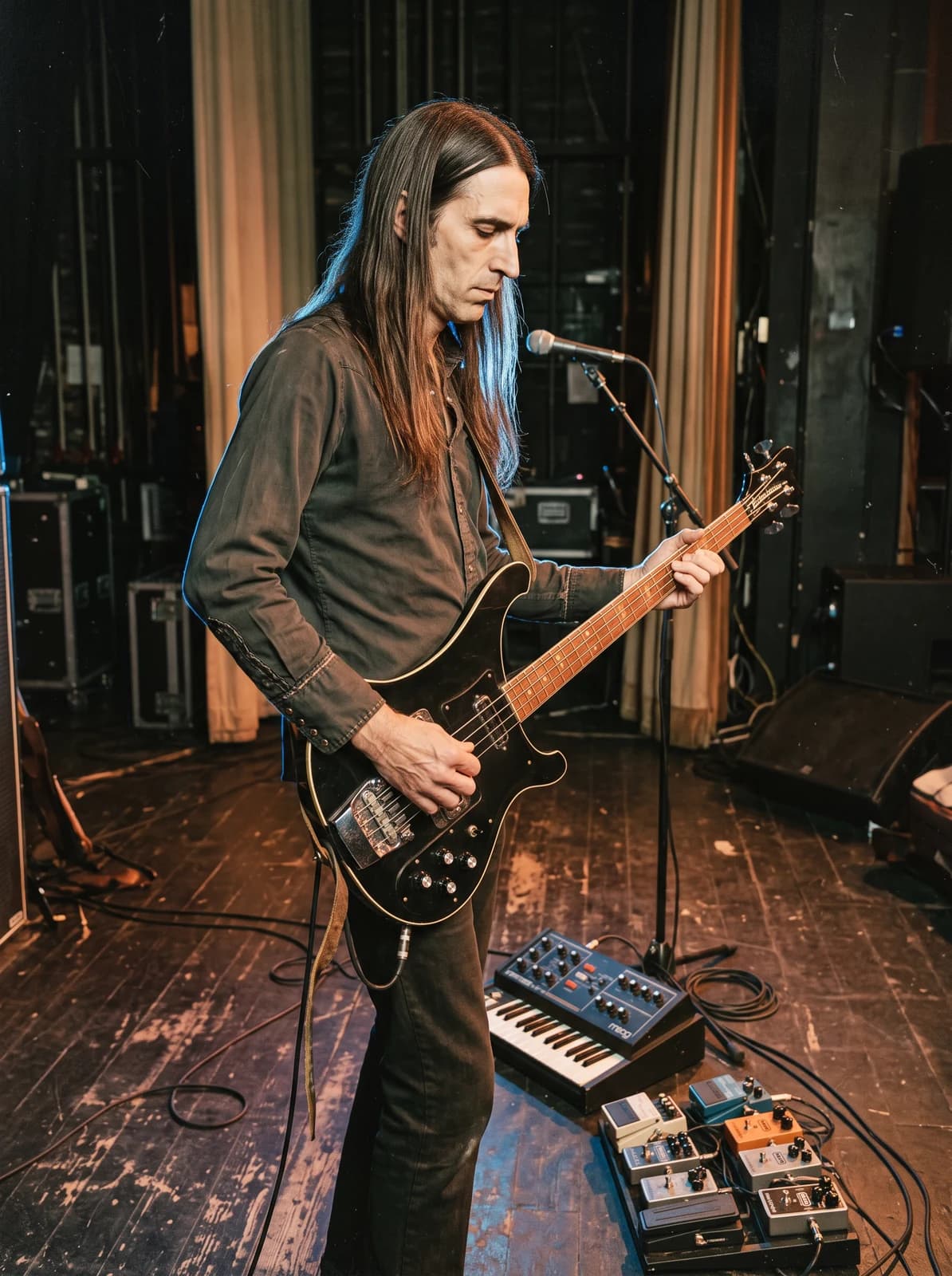
Curtis Reave
Bass, Taurus bass pedals, synthesizers, lead vocals
The technical engine and the voice.
View Profile →
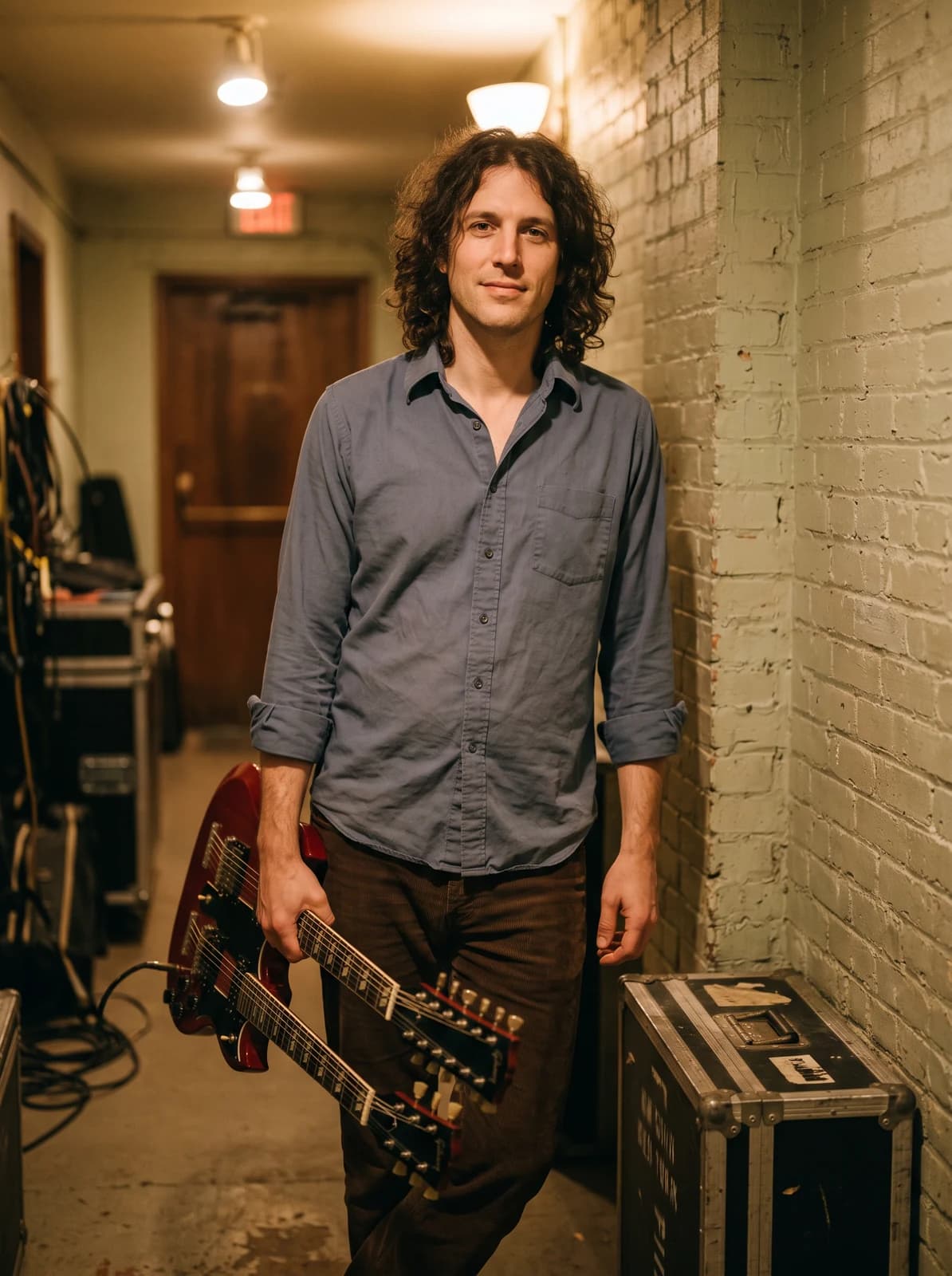
Ambrose Teller
Electric, twelve-string and classical guitars
The textural counterweight who makes all the complexity sound warm.
View Profile →
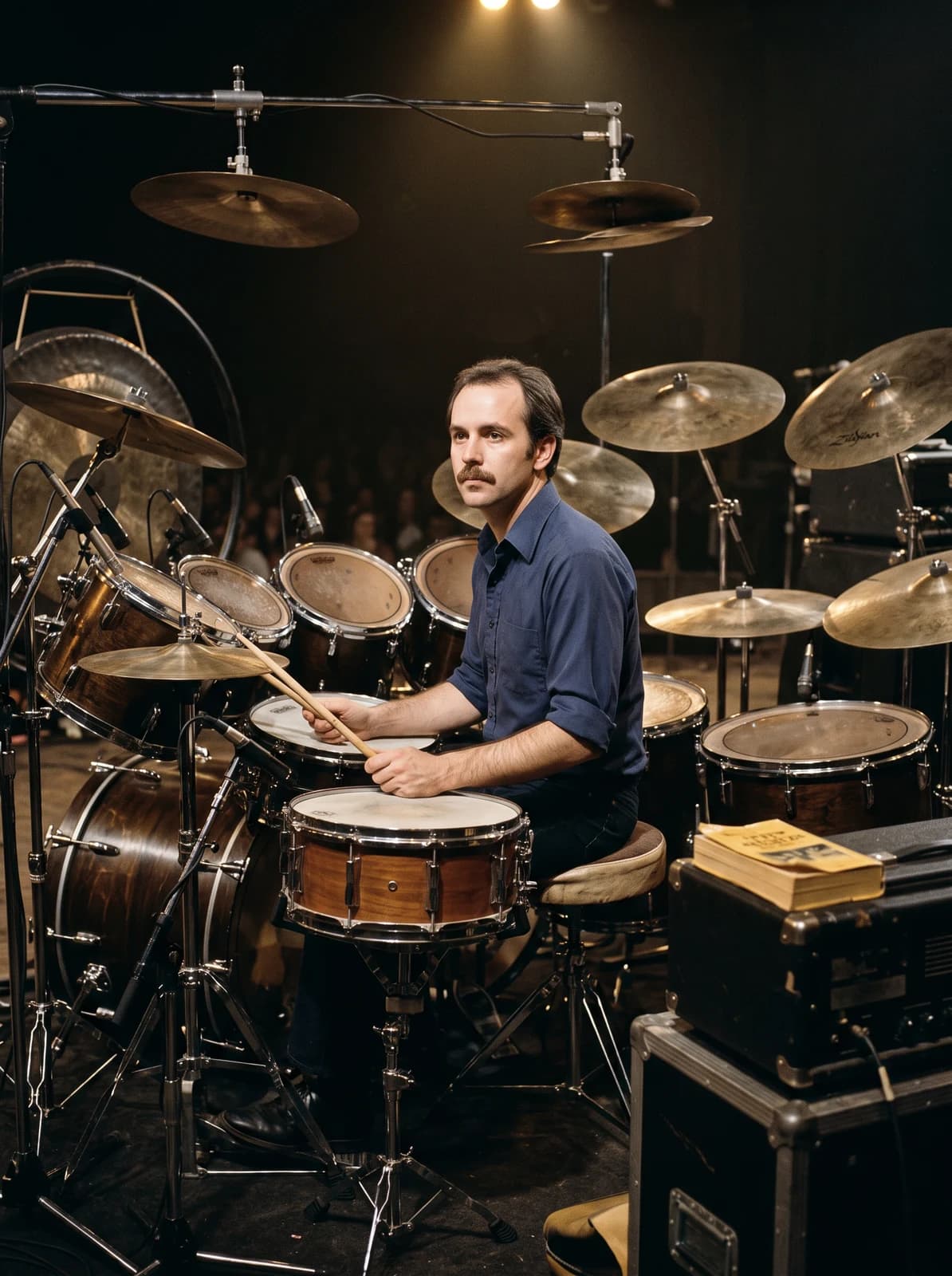
Emerson Roth
Drums, percussion, lyrics
The band's brain and conscience.
View Profile →
Discography
The Wild Wood
The debut — a manifesto disguised as botany. Reviewers who counted called it "long." Reviewers who listened called it "very long, and about something." Both pressings sold modestly and are now traded quietly among people who make too much eye contact.
Missoula, spring 1980.
Missoula, spring 1980. Live to tape, three takes. The master reel runs short; the archive's copy loses the second instrumental return.
Missoula, spring 1980.
Missoula, spring 1980. Reave's synthesiser and pedal rig was set up in the live room rather than the booth. Only a dub survives, and it begins with the opening already underway.
Missoula, spring 1980.
Missoula, spring 1980. Teller's opening guitar figure was recorded first and everything else built onto it.
Missoula, spring 1980.
Equal Light
The centerpiece and the argument. Side two is a single twenty-two-minute suite scored like a committee meeting. The band declined every request to explain it. A prog quarterly called it "the most beautiful thing ever written about a zoning dispute," which the band allowed.
Missoula, winter 1982. The archive holds the edit prepared for radio. The sleeve time is the album's.
Missoula, winter 1982. Two minutes of the middle were lost to a splice made at the label and never reversed.
Missoula, winter 1982. Transferred from a cassette that had been recorded over at the head.
Missoula, winter 1982.
Missoula, winter 1982. The guitar solo was cut in a single pass at the end of a long night and never re-attempted. The surviving tape ends before the final fade.
Missoula, winter 1982. Two takes.
Missoula, winter 1982. Recorded in one day at the end of the sessions. The archive's copy is the shortened version pressed for promotional use in 1983.
Missoula, winter 1982. Assembled from four separate sessions.
One Tree Standing
Their last record. The closing movement is ninety seconds of one sustained chord and two words. Old Growth Records printed the lyrics in full; the band asked them not to. They compromised — the words are there, in a typeface you have to work to read.
Missoula, 1985. Held as a transfer from a damaged reel; part of the second verse is missing.
Missoula, 1985. Preserved only as a monitor mix, incomplete at both ends.
Missoula, 1985. The tape runs out during the solo. Nothing later has been located.
Missoula, 1985. Longest single take on the record.
Missoula, 1985. The archive's copy was dubbed from a broadcast and is missing the instrumental.
Missoula, 1985. Released as a single in a shortened edit that the band did not approve.
Preservation Status
More from this catalog is being remastered for the archive. Not every recording has survived in the same condition — we’re preserving what we can, one signal at a time.
Photo Pass
From the Crowd
The archive has no crowd photographs from The Trees Have Unionized on file yet. Were you there? Get your Photo Pass →
Eyewitness Accounts
The archive has no eyewitness accounts of The Trees Have Unionized on file yet. Were you there? File your account →
Fan Testimonials
“Forty minutes into Equal Light I realized I was not listening to a record about trees, and I have not slept properly since. It is the most beautiful thing ever written about a zoning dispute, and I mean that as the highest compliment I am capable of.”
Progressive Review Quarterly, 1982
“Technically astonishing. Also, it is about trees. Three albums about trees. I kept waiting for it to be about something else, and my editor tells me that was the something else. I remain unsure.”
Regional Music Weekly, 1985
“My father played One Tree Standing for me once, and at the very end there is one chord and two words, and he looked over to see if I understood. I did. I still can't explain it to anyone — which I now understand was the point.”
Listener letter, undated
“Side two of Equal Light is scored like a committee meeting, and it is the tensest music I own. Nothing happens. Everything is decided. I have never been so frightened by a record where no one raises their voice.”
Sound & Signal, 1982
“Long. Serious. Wooden, in both senses. I am told there is a message; the band declined to provide it; I decline to look for it. Two stars — one for each word at the end, which I did enjoy.”
The Daily Ledger, 1985
The Photo Album
5 items · dates approximate
1978
November 1978The kitchen table, Missoula.Roth kept the drafts. There are forty pages here and no music on any of them — the songs came later and took less time. One sheet, near the centre, is a diagram rather than a lyric: four boxes and a set of arrows, with no legend. Nobody has been able to say what it charts.Photographer unidentified. Attributed to Ambrose Teller.
1980
Spring 1980Reference photograph.One of eleven frames from a single roll, all of the same stand of timber, none of them composed with any care. The band appears to have driven out during the writing of the first record and photographed the forest as research. What they were checking against, none of them ever said.Attributed to Ambrose Teller. Summer 1980Studio portrait, unused.Shot the same week the first record was mastered and never issued. Reave at left, Roth centre, Teller at right. The label wanted a portrait for the trade press; the band supplied one and then declined to approve it. The sitting cost forty dollars and was billed against the record.Photographer unidentified. 1980Label publicity photograph.Issued to press with the first record and used on the reverse of the original sleeve. Reave at left, Roth centre, Teller at right. The location is unrecorded; the timber matches the reference roll closely enough that it is likely the same stand, photographed some months later.Photographer unidentified.
1981
February 1981Load-in, side door.They carried their own gear for the whole of the first tour and for most of the second. The truck was Teller's and was not insured for it. Twelve dates, eleven of them in Montana, one in Idaho, all of them loaded in through a door like this one.Photographer unidentified.
Official Merch
Shop The Trees Have Unionized
Authentic world tour tees, hoodies, and more. Printed on demand and shipped from the US.
View Merch →Quick Facts
Origin
Missoula, Montana
Active
1978–1993
Label
Old Growth Records
Sounds Like
Cerebral, virtuosic progressive rock — power trio; odd time signatures, multi-part suites, soaring high male vocals, intricate bass-and-guitar interplay, technical drumming, Grandiose concept records with literary, allegorical lyrics — ideas dramatized, never stated outright, The sound of a very serious album about a forest
On the Shirt
“No survivors. No suspects.”